History of the Borghese Gallery
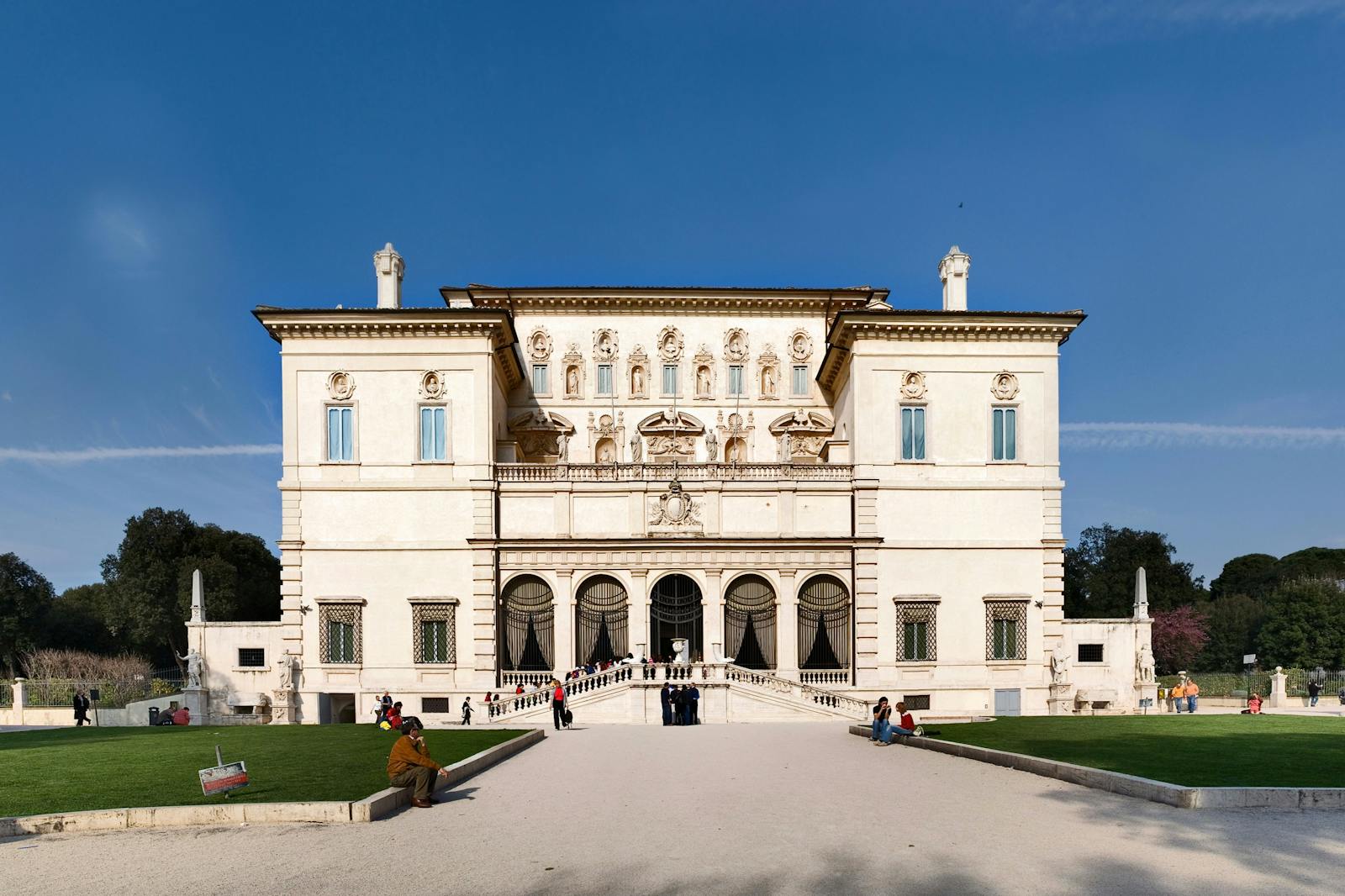
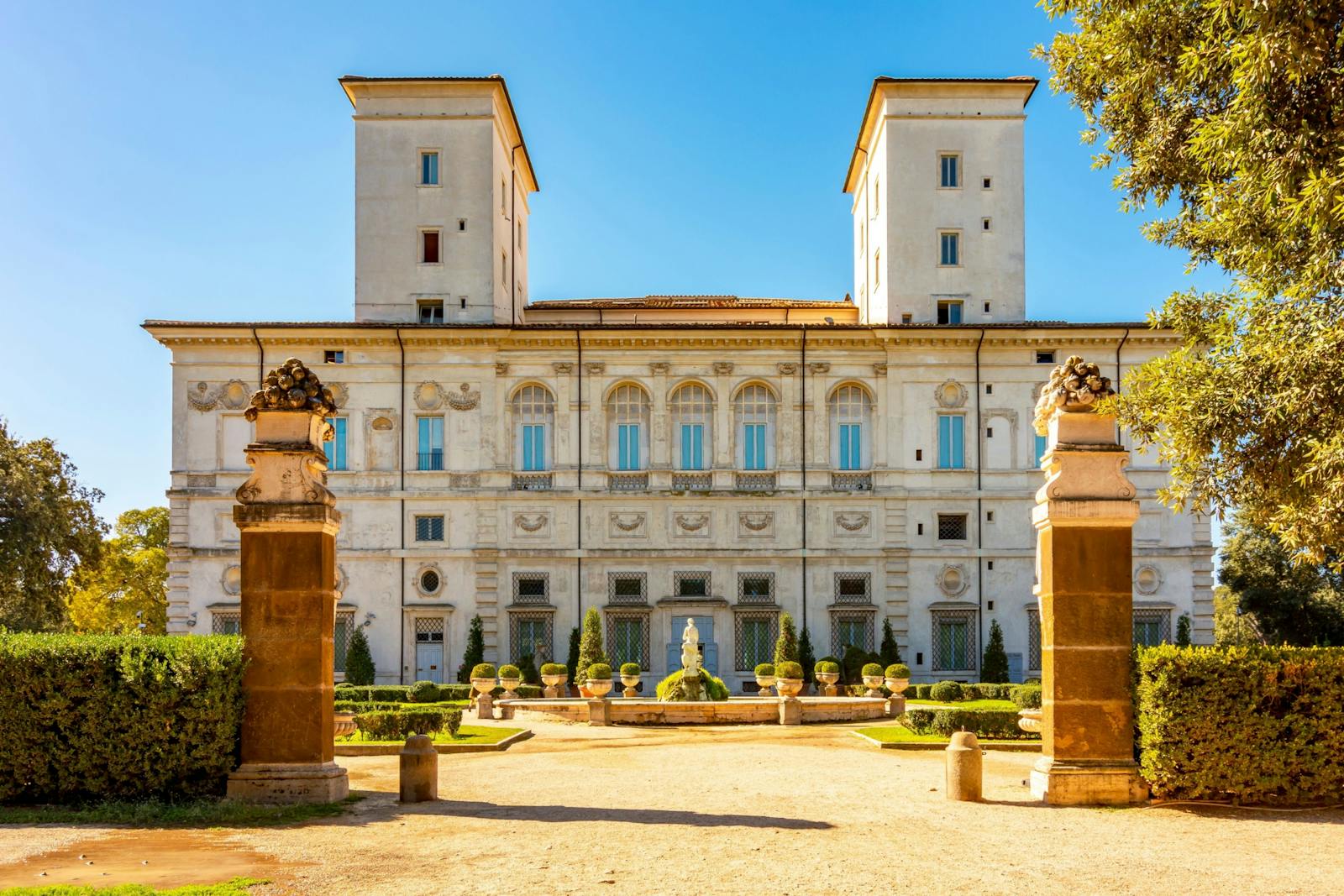
Built from 1607, the villa was erected to house the collection of Cardinal Scipione Borghese, nephew of Pope Paul V. Architect Flaminio Ponzio designed a building inspired by the Villa Medici, with a portico opening directly onto the gardens. This architecture favors the natural light necessary for exhibiting the works.
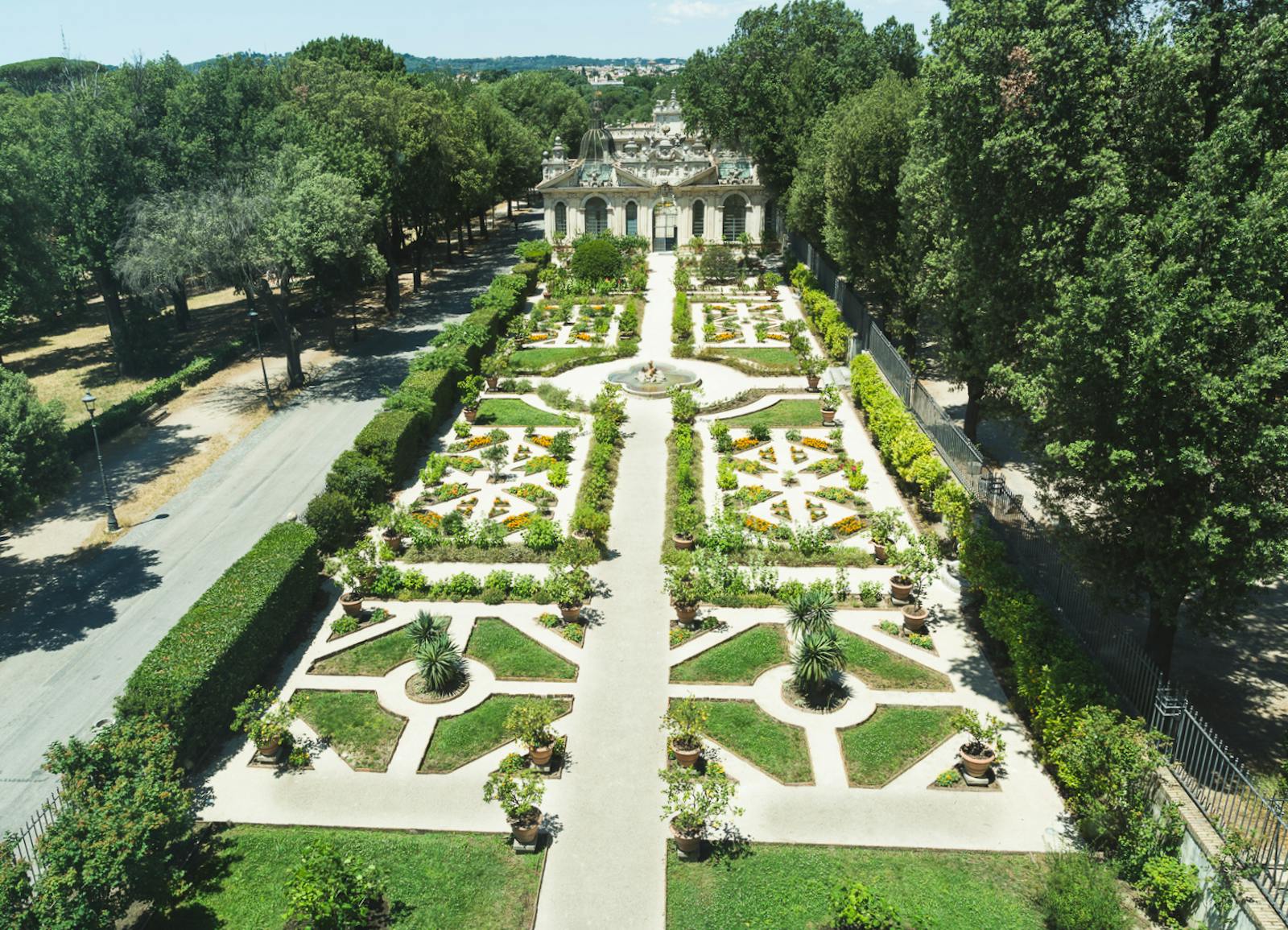
Pope Paul V played a decisive role in acquiring the masterpieces, facilitating the transfer of the collection from the Borgo Palace to the villa as early as March 1613. After Ponzio's death, Giovanni Vasanzio completed the works, while Carlo Rainaldi arranged the gardens until 1620. The façade is adorned with 144 bas-reliefs and 70 busts, testifying to the family's wealth.
Closed in 1983, the gallery underwent a monumental restoration lasting fourteen years to restore its original appearance to the plasterwork and entrance staircase. It reopened its doors in June 1997. Today, the Italian State manages this public museum which preserves the integrity of its interior layout designed for lighting the paintings. Check the ticket practical information before your arrival to prepare your museum visit with peace of mind.
What to see at the Borghese Gallery
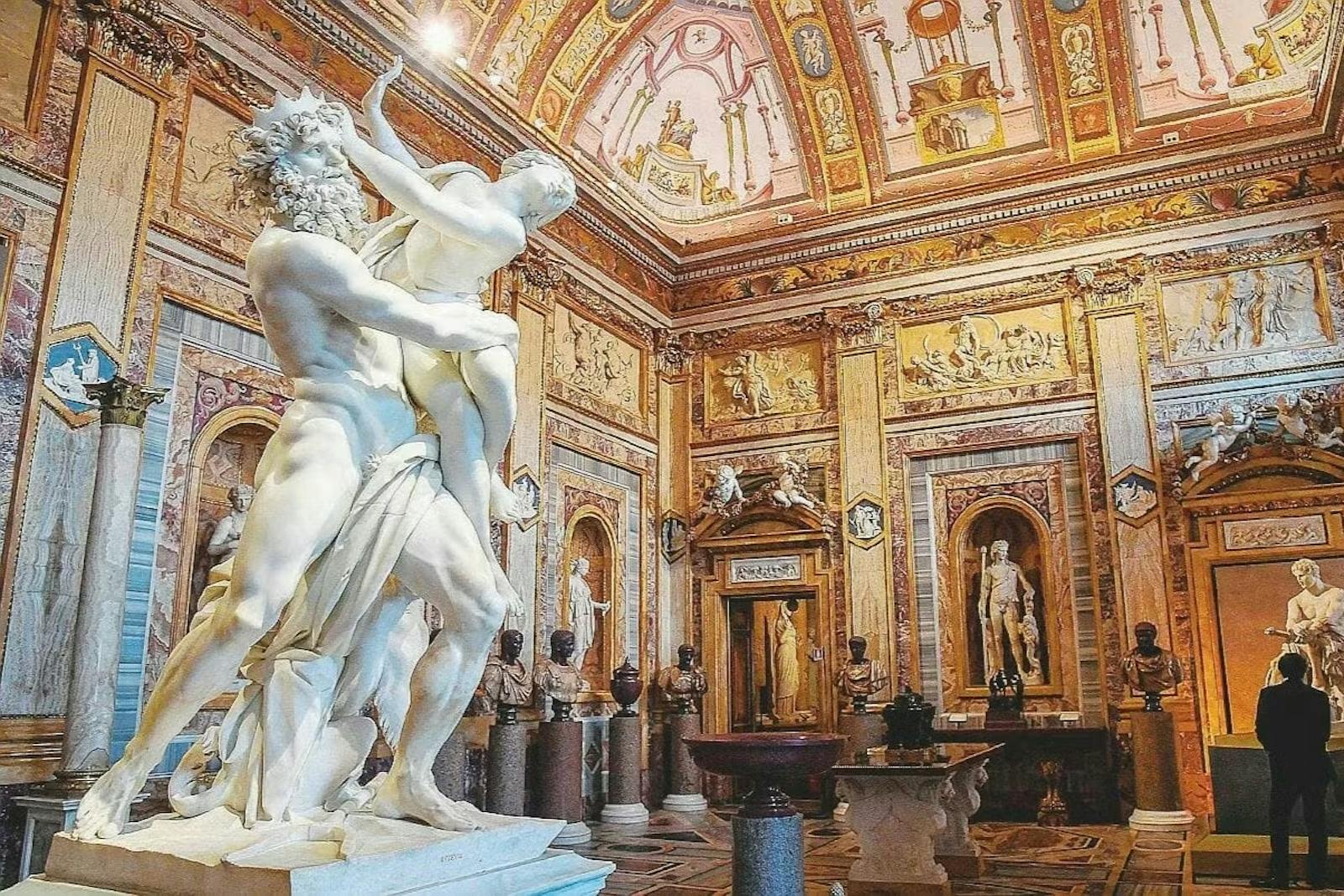
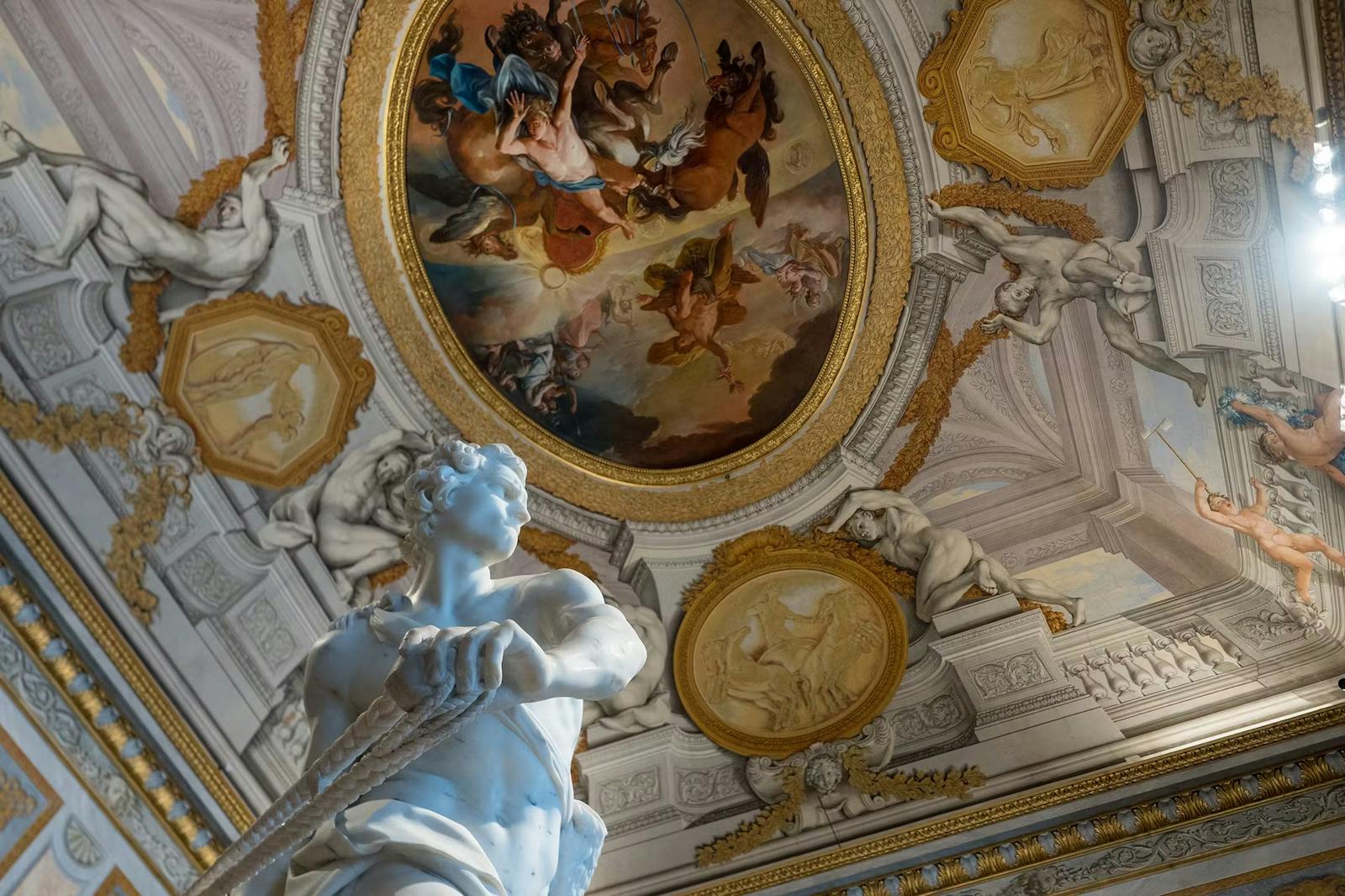
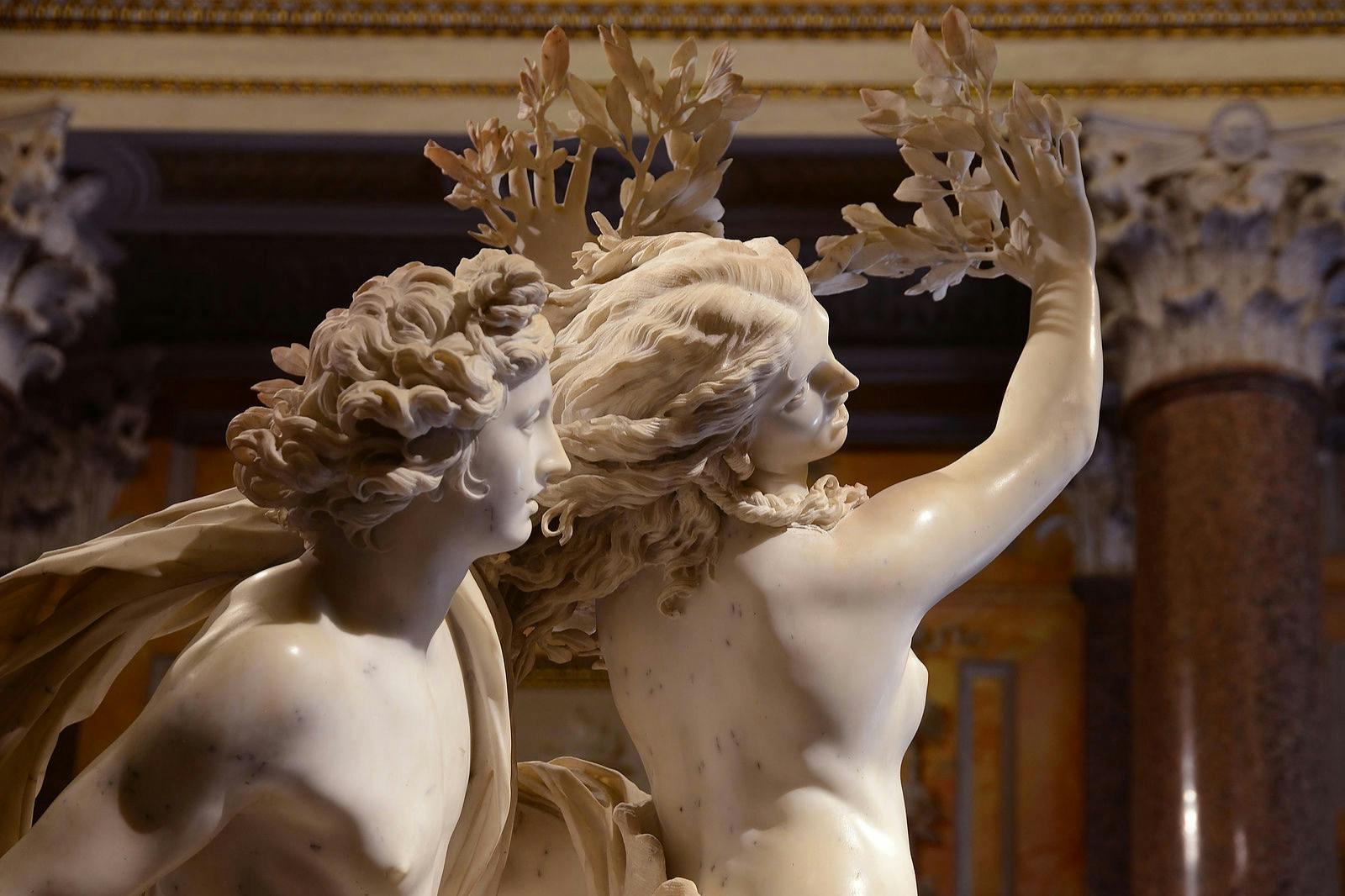
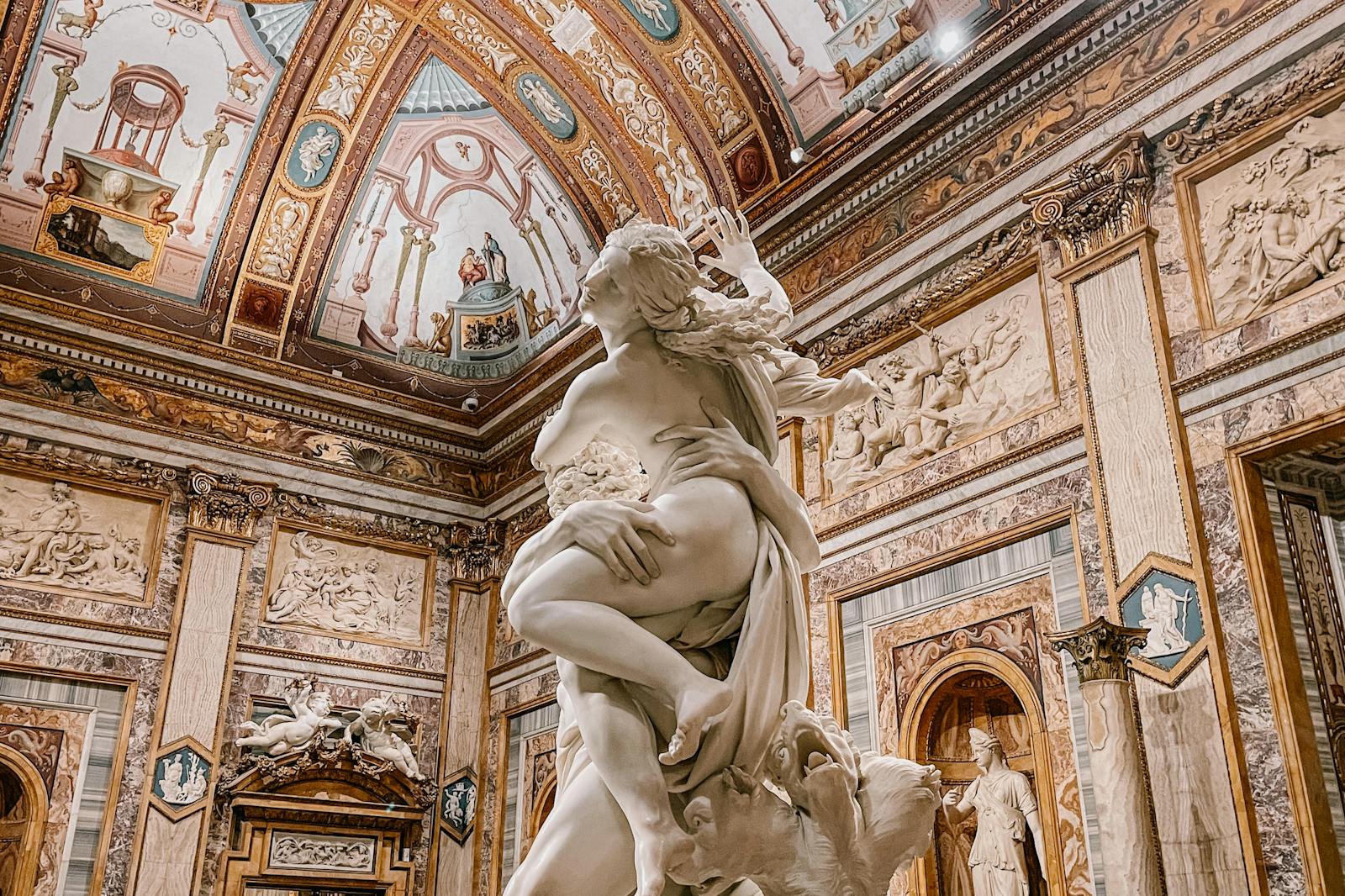
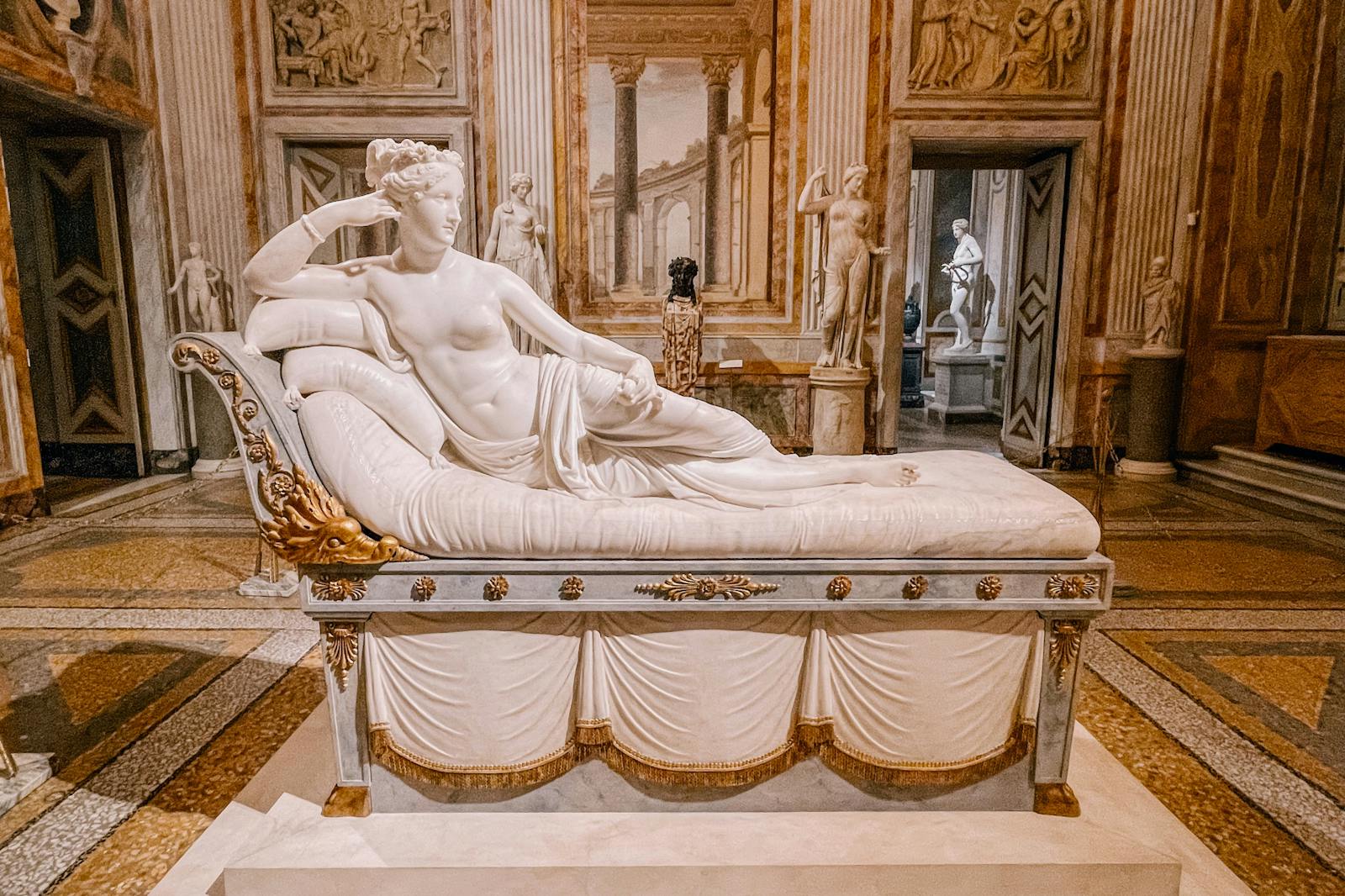
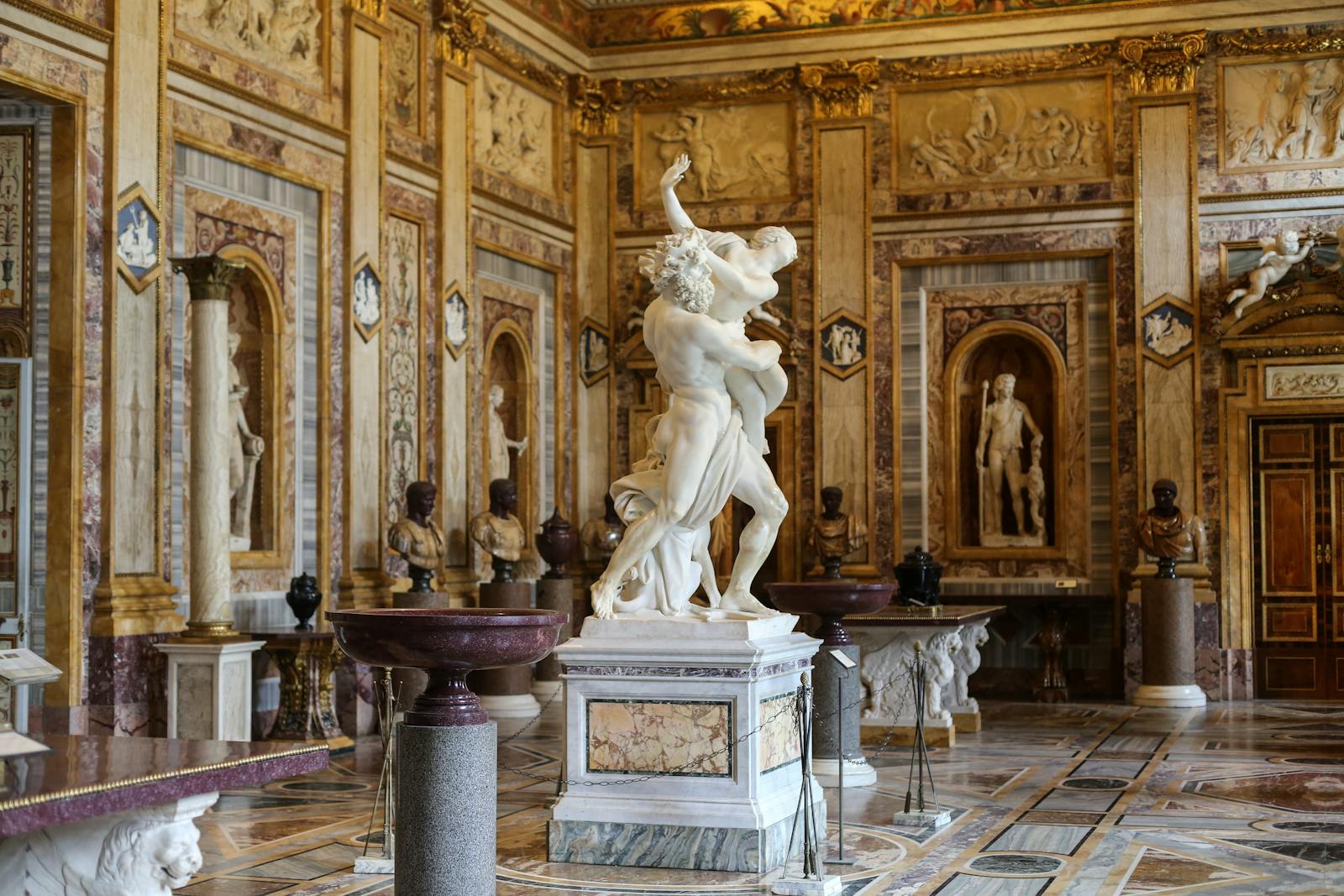
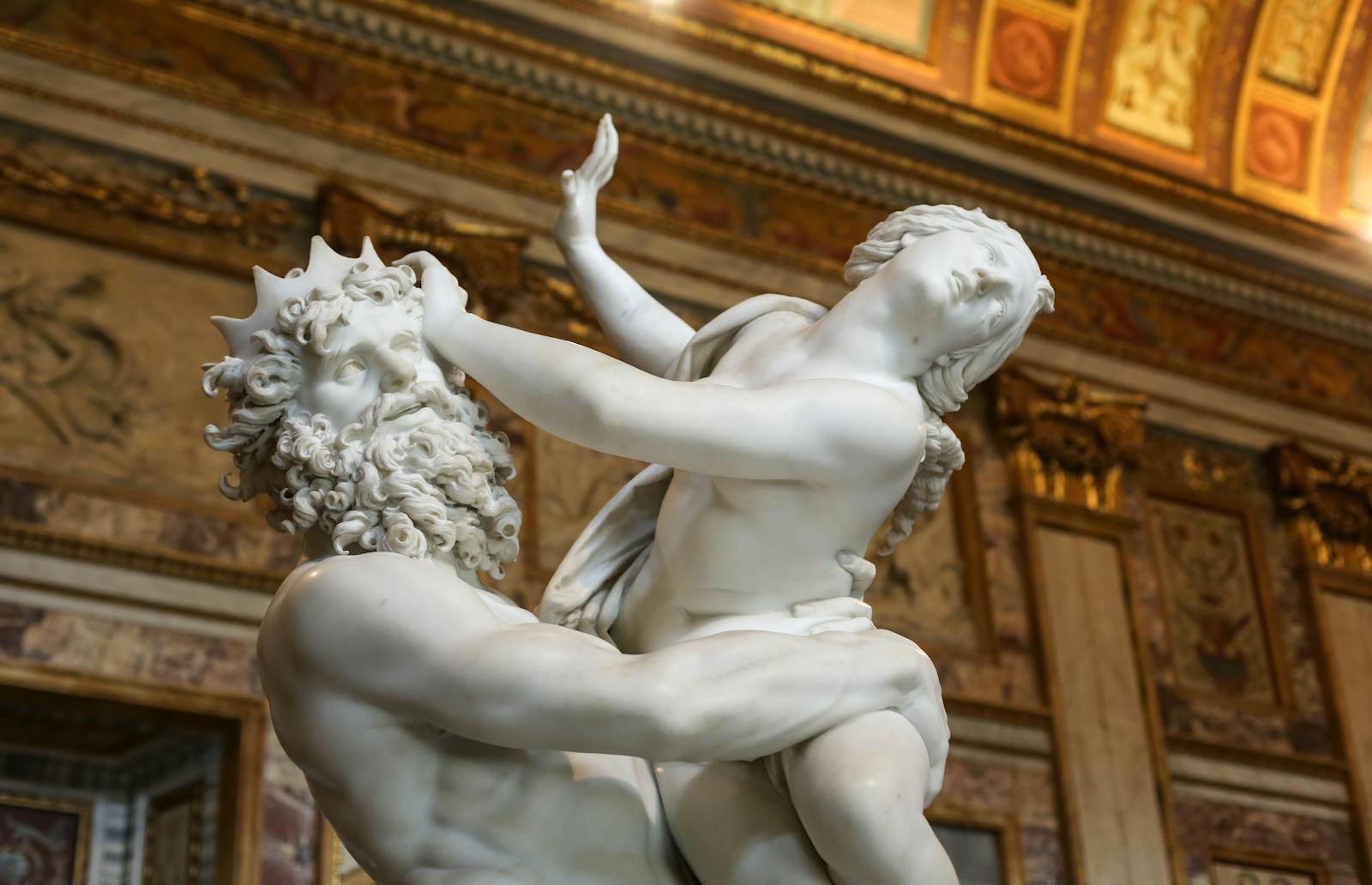
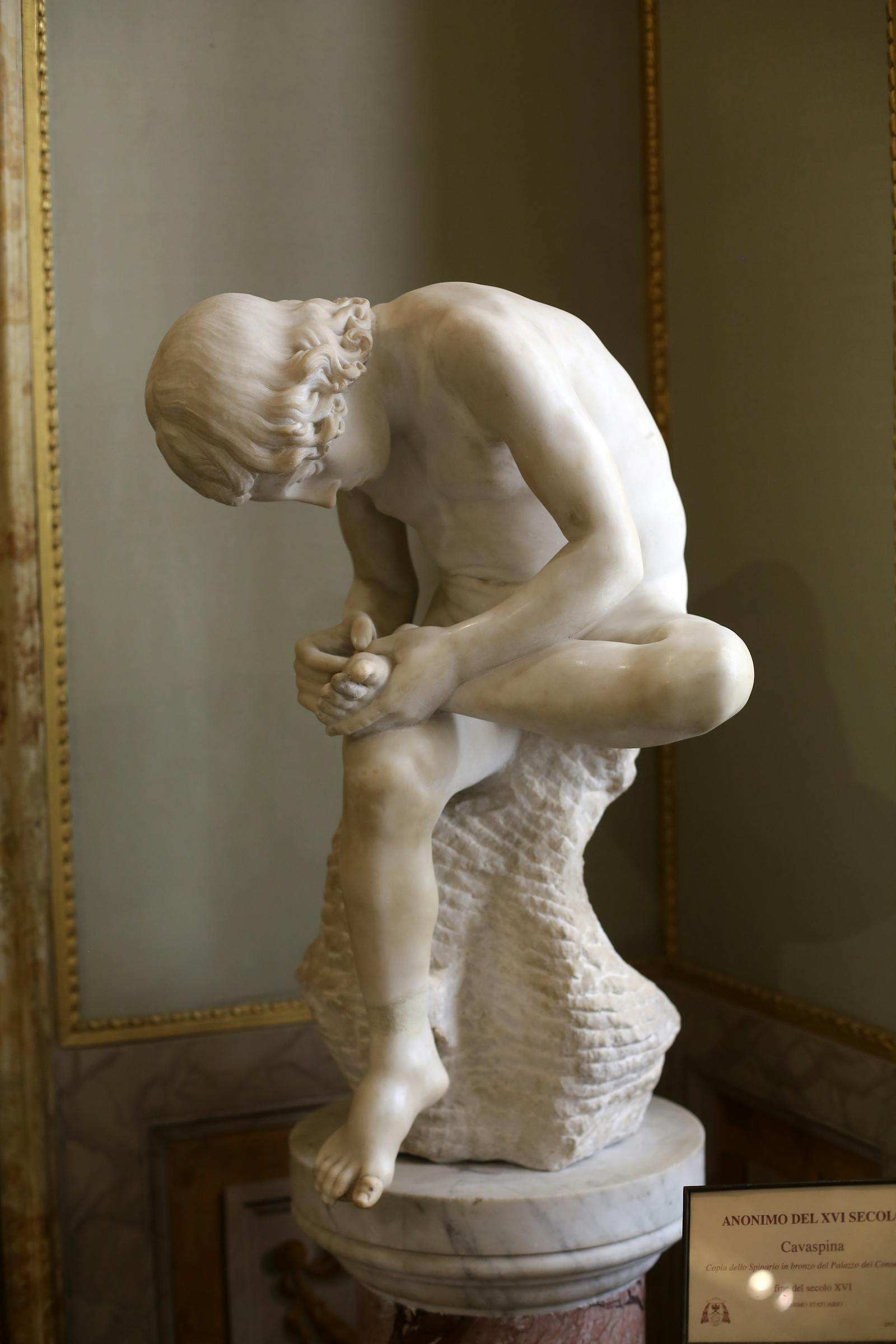
The sculptures by Gian Lorenzo Bernin dominate the collection, notably David and the Sleeping Faun. These marbles benefit from carefully studied zenithal light by the architect to reveal their details. Room I, known as the Pauline Room, groups several major pieces including the Pauline by Canova, a must-see during a quick visit. Check the ticket practical information before your arrival to prepare your museum visit with peace of mind.
Caravaggio's paintings offer a striking contrast with the sculptures, thanks to their chiaroscuro technique. You will also find The Lamentation over the Dead Christ by Rubens, one of the most famous in the collection. Each work is placed in a specific frame that maximizes the visual impact for the visitor. Check the ticket practical information before your arrival to prepare your museum visit with peace of mind.
The frescoes by Lodovico Cigoli, such as the Story of Psyche, complete the 16th-century style interior decor. The combination of these elements creates an intimate atmosphere typical of private palaces of the time. The tour remains fluid because the number of works is deliberately limited to avoid visual fatigue. Check the ticket practical information before your arrival to prepare your museum visit with peace of mind.
Practical information and visiting tips
Booking is mandatory and time slots are strictly applied to control attendance. It is advisable to arrive fifteen minutes before the indicated time to perform ticket checks and leave your belongings in the cloakroom. Large bags and umbrellas must be left at the deposit to facilitate circulation. Check the ticket practical information before your arrival to prepare your museum visit with peace of mind.
The permitted duration is generally two hours, allowing you to visit all the rooms without rushing. To avoid crowds, choose the first morning time slots or the last ones of the day. A guided tour in French can enrich your understanding of the Baroque nuances presented in the rooms. Check the ticket's practical information before your visit to prepare for a smooth museum experience.
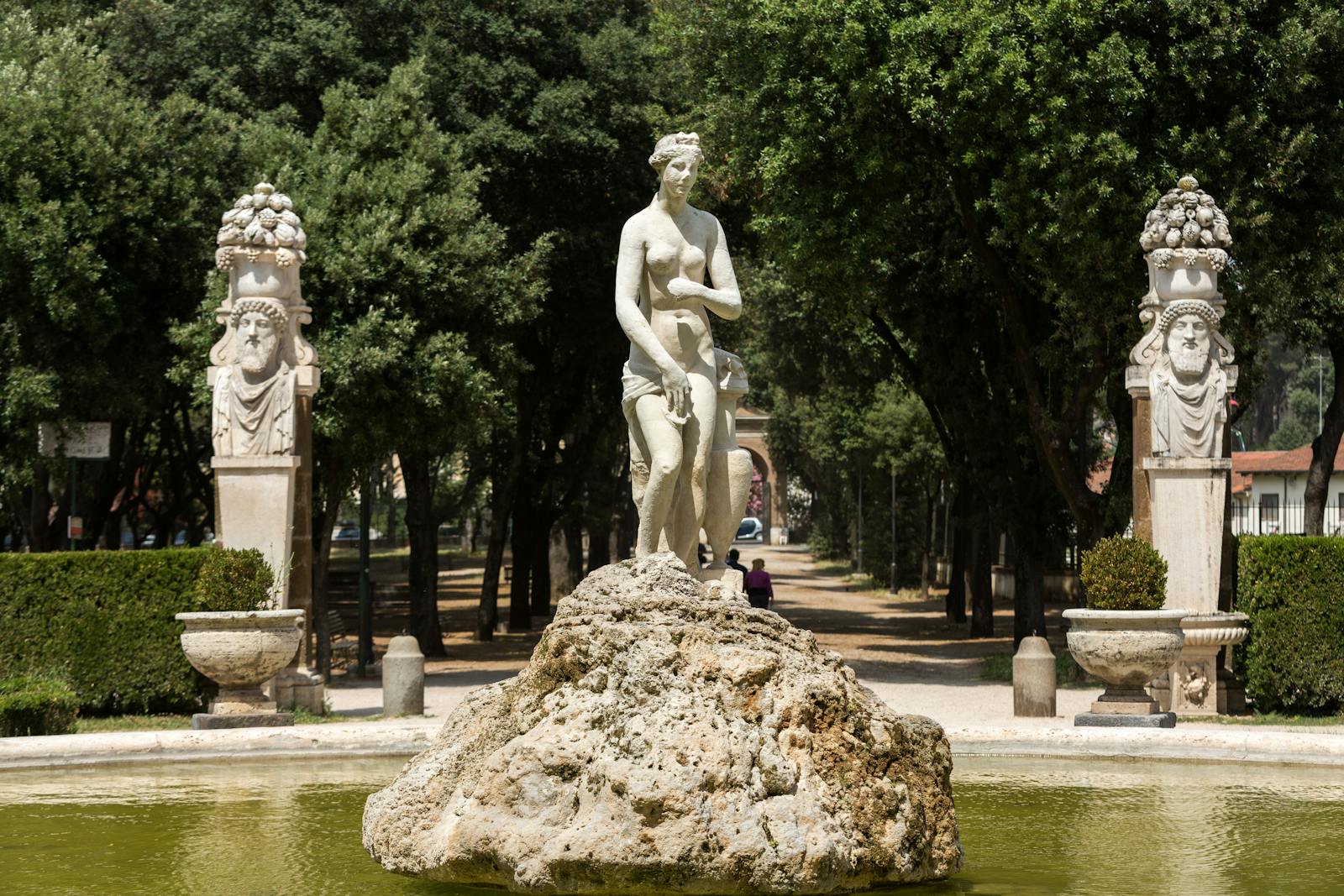
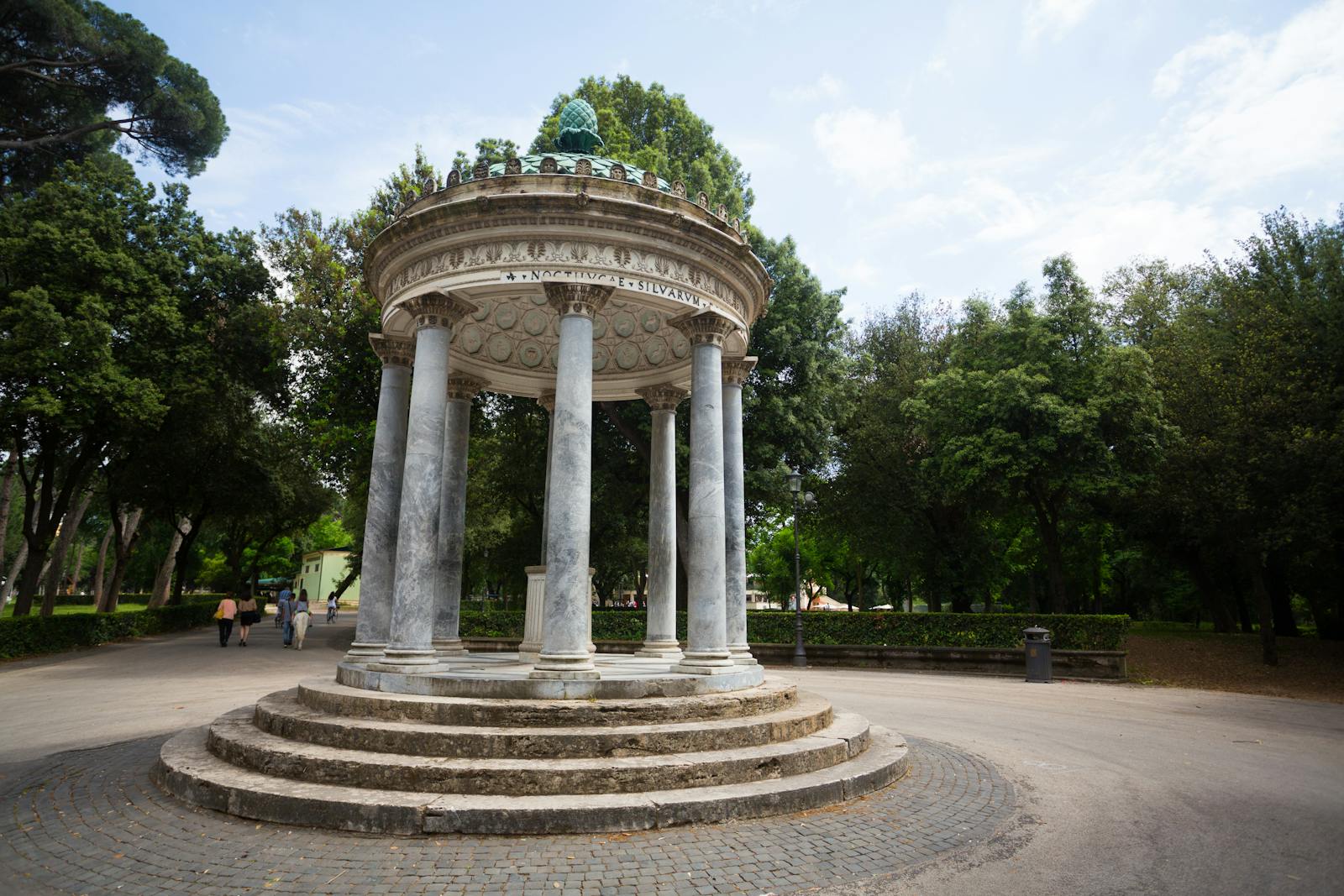
After the visit, the gardens of the Villa Borghese offer an ideal extension to digest the works seen. The main entrance is located near the Porta Pinciana, easily accessible on foot or by bus. Remember to wear comfortable shoes if you plan to stroll through the park's shaded paths. Check the ticket practical information before your arrival to prepare your museum visit with peace of mind.